Short answer
Choose can labels when you need smaller batches, faster artwork changes, several flavors or market testing. Consider printed cans when the design is stable, the quantity is high and the supply chain is built around that printed container.
Can labels vs printed cans comparison
| Decision point | Can labels | Printed cans |
|---|---|---|
| Best fit | Small batches, flavor tests, seasonal artwork, market launches and brand updates. | Stable high-volume programs with fixed artwork and planned inventory. |
| Artwork flexibility | Easy to change label artwork by flavor, batch or region. | Less flexible once printed can inventory is produced. |
| MOQ pressure | Can work better for lower quantity custom packaging projects. | Often more suitable when order volume is already high. |
| Cold and wet handling | Needs suitable film, adhesive and finish review for condensation. | Container print avoids label edge lift but still depends on can supplier and finish quality. |
| Inventory | Plain cans plus different labels can support multiple SKUs. | Each design may require separate printed can inventory. |
| Brand look | Supports full wrap labels, matte or gloss film, clear windows and short-run changes. | Can look integrated at scale when the design is final. |
Why can labels help early beverage launches
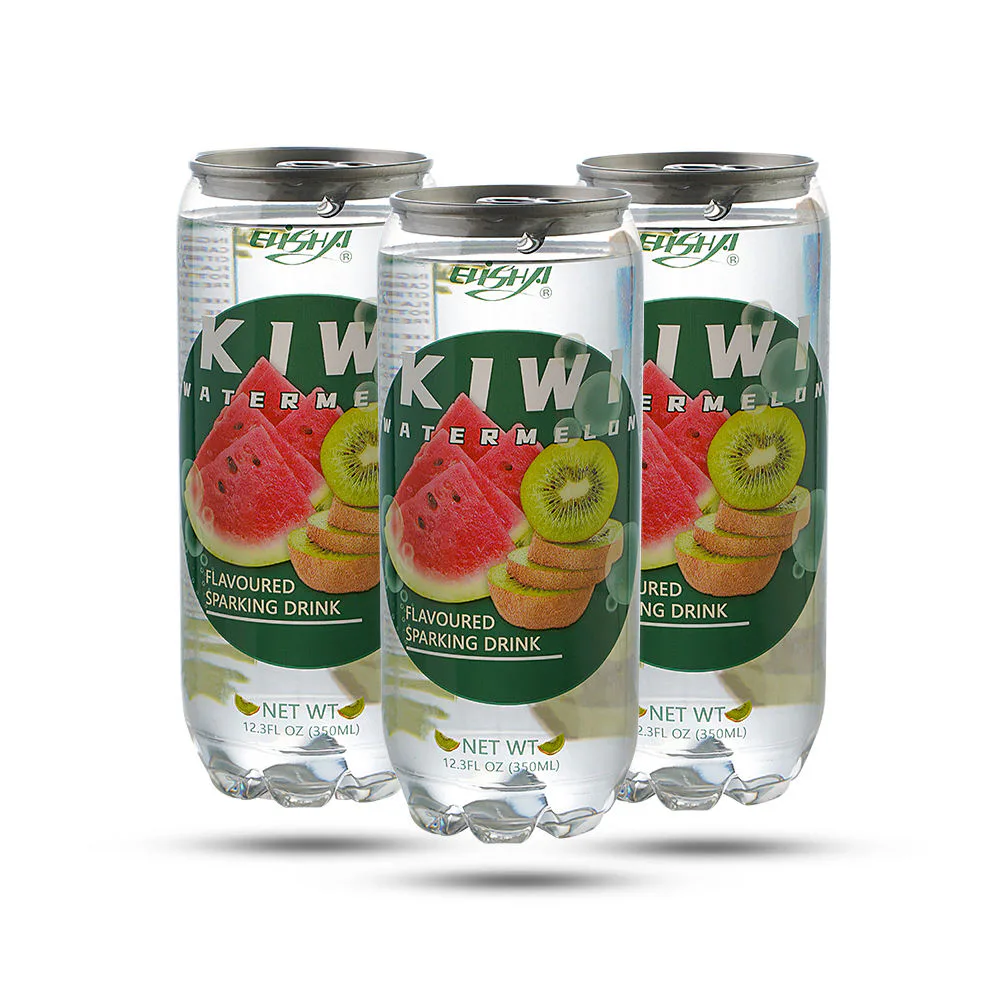
Drink brands often test more than one flavor, caffeine level, serving size, barcode, nutrition layout or market claim. Labels let the buyer keep the can body simple while changing the visual identity on the outside. This is useful for juice, soda, sparkling water, canned coffee, tea, kombucha-style drinks and small RTD beverage lines.
When printed cans may be the better path
Printed cans can make sense when the brand has a stable design, predictable demand and enough volume to manage printed can inventory. The decision is less about which option is universally better and more about whether the packaging program is still changing.
Material choices for beverage can labels
Can labels should be reviewed for wet handling, cold storage and curved metal surfaces. White BOPP is often used when strong color and readable text are important. Clear BOPP can create a more transparent look, but artwork contrast and barcode readability need extra attention. PET film may be considered when added durability is needed.
What to check before ordering can labels
Do not ignore label copy and barcode planning
Small beverage brands sometimes focus on front artwork and leave the back panel too late. Before printing, reserve space for barcode, flavor name, lot code area, ingredients, nutrition facts if needed, storage text and any required market-specific wording. The label factory can help with print layout, but the brand is responsible for final regulatory content.
Related guides
For chilled drink material planning, read waterproof beverage labels. To compare film appearance, review clear BOPP vs white BOPP labels. If labels peel during testing, use our peeling label troubleshooting guide.
FAQ
Are labeled cans acceptable for retail?
Many brands use labeled cans, but the final packaging must meet the buyer's retail, market and regulatory requirements. Confirm copy, barcode and durability before launch.
Can can labels be waterproof?
They can be produced with film and finish options suitable for wet and cold handling, but the exact material should be matched to the can surface and storage environment.
Can I label blank cans for different flavors?
Yes. This is one of the main reasons small beverage brands consider can labels, especially when flavors or batch sizes change often.