Short answer
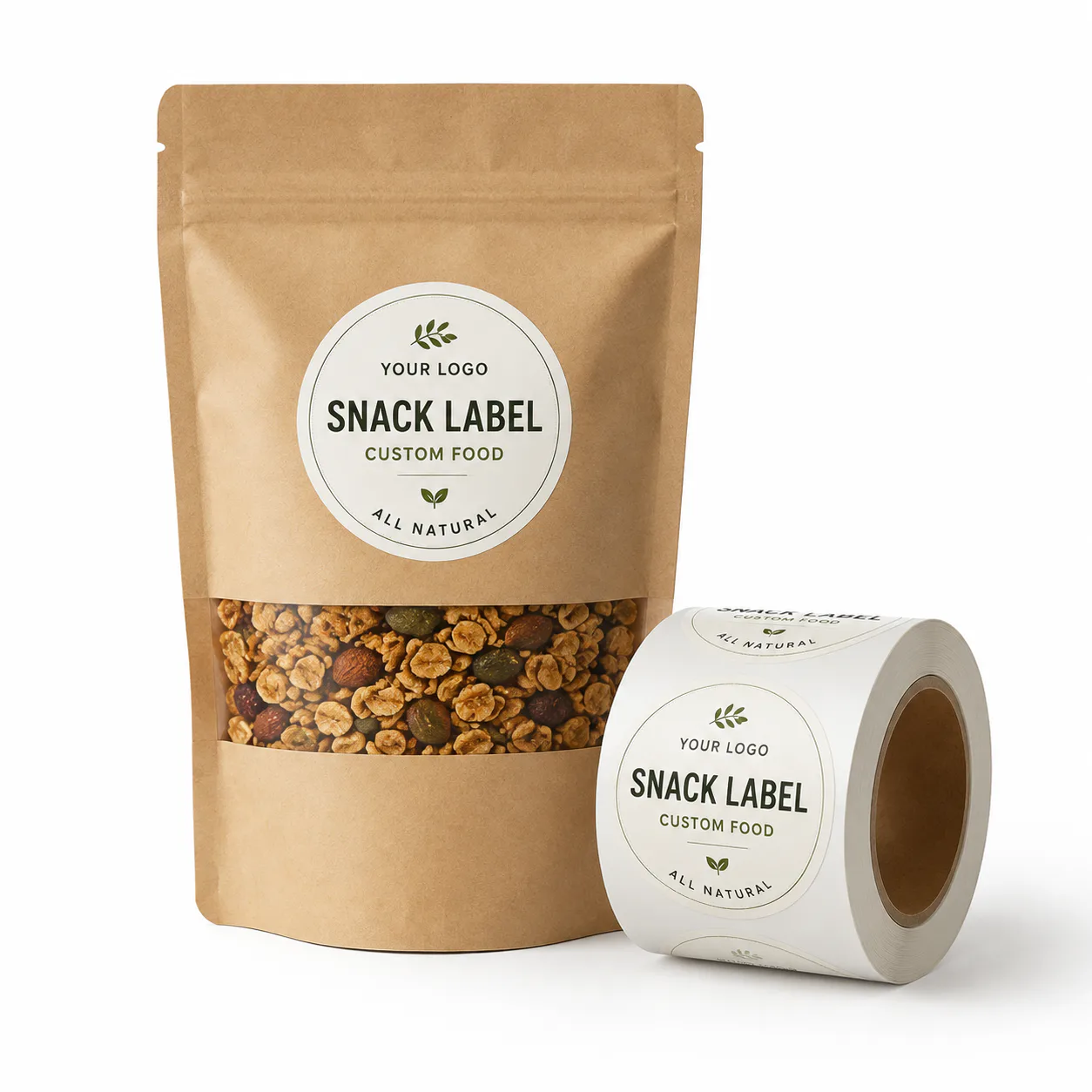
Choose stock packaging with custom labels when you need smaller runs, several SKUs, fast artwork changes or a lower-risk market test. Consider fully printed packaging when the package, artwork and demand are stable enough to support larger inventory commitments. The best decision is based on total usable inventory, not only the unit price of the package.
Side-by-side comparison
| Decision point | Stock package + custom label | Fully printed packaging |
|---|---|---|
| Launch risk | Supports smaller tests and artwork changes. | More inventory is exposed if the design changes. |
| SKU flexibility | One container can serve several flavors or variants. | Each printed package version becomes separate stock. |
| Premium appearance | Can look professional with accurate fit, material and finish. | Offers full-surface design integration when executed well. |
| Packing work | Requires label application and quality control. | May reduce a labeling step at the packing line. |
| Change speed | Labels can be revised without replacing all blank packaging. | Printed inventory may need to be consumed or discarded first. |
| Scale | Useful from samples through repeat roll-label production. | Often better suited to stable, planned higher-volume programs. |
When custom labels are the stronger choice
- The product is still proving demand or entering new retailers.
- You sell several flavors, sizes, languages or seasonal editions.
- Packaging copy, barcode or regulatory information may change.
- You can source a reliable stock container with a suitable label panel.
- You need a professional result without committing to custom printed package inventory.
Labels can also create a premium look through textured paper, clear film, matte or gloss lamination, metallic accents and custom die cuts. The label still needs to match moisture, oil, refrigeration and application conditions. Appearance should not be separated from performance.
When printed packaging deserves a serious quote
Fully printed packaging becomes easier to justify when the package design is stable, the same SKU repeats at predictable volume, storage space is available and the packing line benefits from removing a label-application step. It may also be needed when branding requires artwork across areas a pressure-sensitive label cannot cover cleanly.
Compare landed cost, lead time, minimum quantity, changeover, waste and obsolete stock. A lower printed unit cost can be cancelled out if several months of packaging become unusable after a formulation, barcode or design change.
How to make stock packaging look intentional
- Choose a container with a flat, consistent label panel.
- Measure the real package and test a paper label prototype.
- Use a material that fits the package environment, not just the desired color.
- Keep front branding, product identity and required information visually organized.
- Confirm application alignment with a jig or roll-label applicator when volume grows.
- Approve a physical sample before committing to bulk labels.
For bottle and jar sizing, use the custom label size guide. For early production decisions, compare DIY printing with factory custom labels.
A staged packaging path for a growing brand
Stage 1: validate
Use a stock package and a small custom label run to test the product, size, message and retail presentation.
Stage 2: standardize
Lock the container, label panel, material, finish, artwork system and packing method. Track real usage by SKU.
Stage 3: compare scale options
Quote larger roll-label runs and fully printed packaging using the same forecast. Include application labor, unused inventory, warehousing and change risk in the comparison.
What to send for a custom-label packaging quote
- Photos and dimensions of the stock bottle, jar, pouch, box or can.
- Expected quantities by SKU.
- Storage, moisture, oil and temperature conditions.
- Front/back, wraparound, lid or seal-label format.
- Hand, dispenser or machine application method.
- Artwork status and target launch date.
Factory viewpoint
Our view: wait until demand is predictably stable
Fully printed packaging can be the right scale decision, but small brands often move too early because the lower quoted unit cost looks decisive. We believe stock packaging with custom labels remains the safer system while product demand, artwork, barcodes or retailer requirements are still changing.
Move to printed packaging when the same SKU repeats predictably, the application labor is measurable, and obsolete inventory risk is low. Until then, the flexibility to change a label without replacing every bottle, pouch or box is not a compromise; it is valuable operating capacity.
Frequently asked questions
Do custom labels make stock packaging look cheap?
Not when the package, label size, material, finish and application are coordinated. Poor fit and crooked placement create a low-quality impression more often than the use of a stock container itself.
When should a brand switch to fully printed packaging?
Compare it when demand, artwork and package specifications are stable enough to support the minimum quantity and inventory commitment without excessive obsolescence risk.
Are custom labels better for multiple flavors?
They are often more flexible because one stock package can support several SKU-specific labels. Each flavor still needs accurate artwork, proofing and inventory control.
Related label guides
For stock zipper bags, use the stand-up pouch label size and placement guide before choosing the dieline.
Prepare a production-ready label quote
Send the package photo, label size, quantity, storage conditions, application method and artwork status. We can review the material direction and proof requirements before bulk production.