Short answer
Custom die-cut labels work best when the shape supports the package instead of fighting it. Keep the cut line simple enough to apply cleanly, add bleed outside the trim, keep text inside the safe area and avoid fragile points that can lift or tear during handling.
Common die-cut label shapes
| Shape | Best use | Watch point |
|---|---|---|
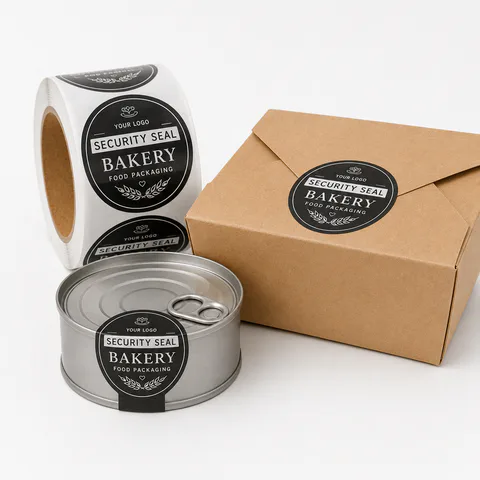
| Circle | Lid labels, jar stickers, bakery seals and promotional stickers. | Text around the edge needs enough safe space. |
| Oval | Honey jars, sauce bottles, wine neck labels and premium food labels. | Can feel elegant, but size must match the panel. |
| Rounded rectangle | Most bottles, jars, cups, cans and pouches. | Often safer than sharp corners for application. |
| Custom logo shape | Brand stickers, gift packs and premium product labels. | Thin points and small cuts may lift or tear. |
| Seal strip | Bakery boxes, jar lids, security-style packaging and closures. | Needs adhesive and material review for bending areas. |
Bleed, trim and safe area
Bleed is artwork that extends beyond the final cut line. It prevents tiny white edges if cutting shifts slightly. The safe area is the inside zone where important text, barcode, QR code and logo details should stay. A print-ready die-cut file should show both the artwork and the intended cut line clearly.
Rounded corners are often safer
Sharp corners can lift more easily on curved or handled packaging. Rounded corners spread stress better and are often safer for jars, bottles, cups and flexible packaging. If the brand wants an unusual shape, keep fragile points away from areas where fingers, condensation or rubbing will hit the label.
What affects die-cut label cost and setup?
Related guides
Check custom label size before choosing a shape, review artwork guidelines for print files, and compare matte vs gloss labels for the final finish.
FAQ
Can any shape be made into a label?
Many shapes are possible, but not every shape is practical. Very thin points, tiny cutouts or shapes that cross package curves may create problems.
Do die-cut labels work on roll format?
Yes. Custom die-cut labels can be supplied on rolls, but roll direction, gap, core size and application method should be confirmed.
Should I use a custom shape or a standard rectangle?
Use a custom shape when it improves brand recognition or package fit. Use a standard rounded rectangle when readability, speed and easy application matter more.