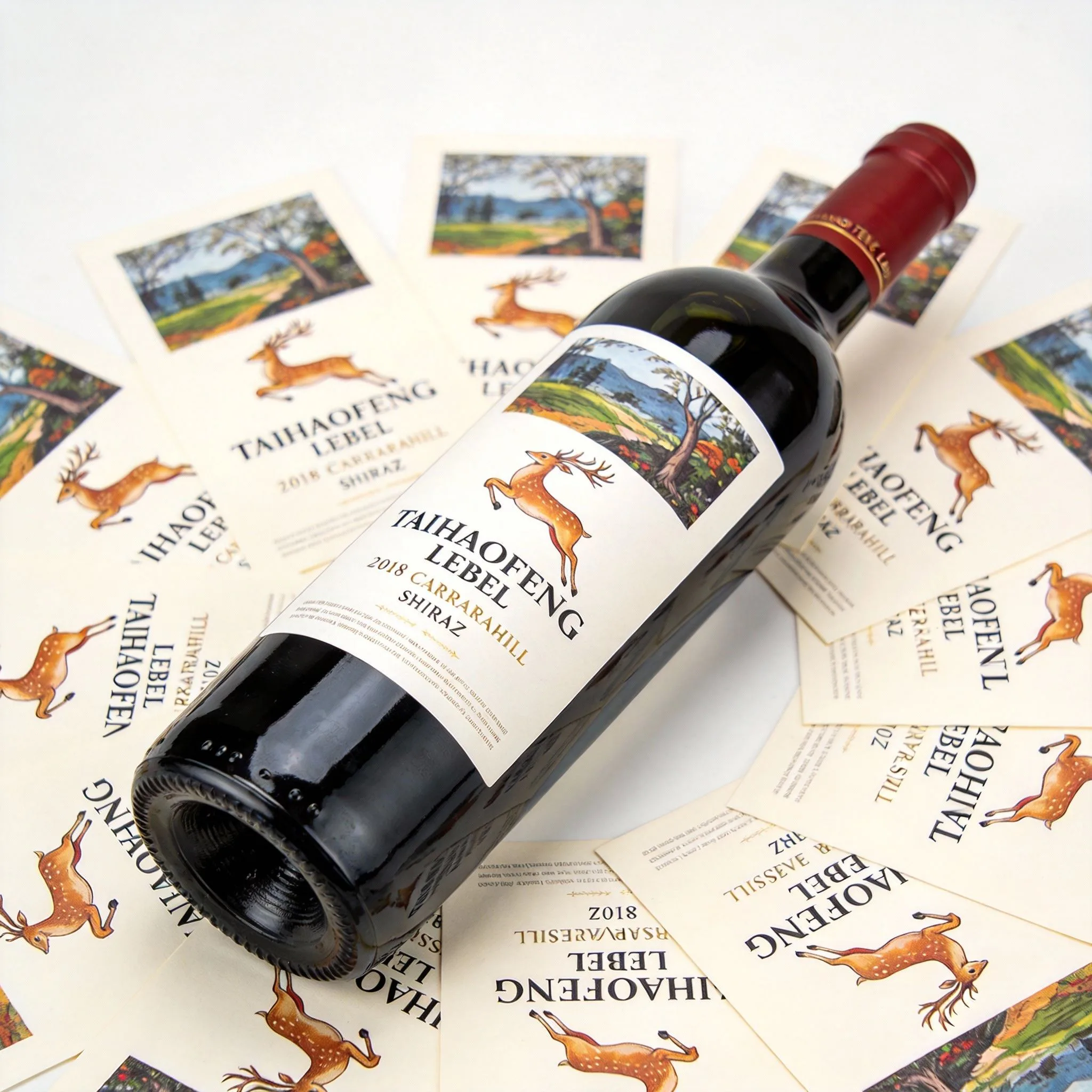
What Reddit discussions reveal about bottle labels
Public homebrewing, winemaking and small-brand discussions show a recurring pattern: buyers often start with home-printable labels, then discover that condensation, refrigeration, cooler storage or ice buckets expose weak material and adhesive choices.
The important lesson is not simply 鈥渕ake it waterproof.鈥?A durable bottle label is a system: face material, adhesive, coating, label size, bottle shape, application temperature and storage environment must work together.
Common bottle label failures and fixes
| Problem | Likely cause | Production fix to review |
|---|---|---|
| Label peels at the edge | Adhesive does not match moisture, bottle curve or application temperature. | Test permanent moisture-resistant adhesive and reduce width if the label wraps too far around the curve. |
| Ink smears or bleeds | Unprotected print or paper face material under water or condensation. | Use film material, lamination, varnish or wet-strength paper based on the desired finish. |
| Wrinkles on a bottle | Label is too large for a tapered or curved surface. | Measure bottle diameter at top, middle and bottom; use a narrower label or shaped die-cut. |
| Bubbles after chilling | Moisture, temperature change or incomplete contact at application. | Confirm dry surface, application method, pressure and storage condition before bulk production. |
| Barcode will not scan | Poor contrast, curved placement or glossy reflection. | Move barcode to a flatter area, keep quiet zones and test print contrast before approval. |
Beverage labels vs wine labels
| Project type | Common material direction | Buyer notes |
|---|---|---|
| Juice and cold drink bottles | White BOPP, clear BOPP or PET | Strong fit for condensation, refrigeration and bright color printing. |
| Soda and sparkling beverage bottles | Film roll labels with gloss or matte finish | Review bottle curve, pressure handling, front/back sets and roll direction. |
| Cans | BOPP wrap labels or shrink sleeve direction by project | Confirm can diameter, label height, overlap and application equipment. |
| Premium red wine | Textured paper, wet-strength paper or foil finish | Often prioritizes tactile shelf appeal; moisture review still matters for shipping and handling. |
| Chilled white, sparkling wine or ice bucket use | Wet-strength paper, BOPP or PET with suitable adhesive | Ask for wet handling review before approving a premium paper look. |
What to send before asking for waterproof label pricing
- Bottle or can photo, including the side curve and any tapered area.
- Container diameter, label width, label height and desired front/back placement.
- Storage condition: shelf, refrigerator, cooler, ice bucket, wet hands or outdoor event use.
- Application method: hand labeling, dispenser, semi-auto machine or production line.
- Material preference: white film, clear film, textured paper, metallic finish or foil detail.
- Roll direction, core size and label gap if a labeler will be used.
- Artwork file and any legal or barcode information that must stay readable.
Wine label compliance reminder
For U.S. wine and alcohol beverage projects, TTB resources are the official reference for label approval and mandatory information. TTB states that labels must be truthful, not misleading and include mandatory information, and its wine labeling pages provide checklists and COLAs Online resources.
A label factory can print the approved artwork, advise on material and finish, and prepare roll or sheet format. The bottler, importer or responsible brand should confirm COLA, formula and destination-market labeling requirements before bulk printing.
Recommended spec for a cold bottle proof
FAQ
Is BOPP better than paper for beverage labels?
BOPP is usually stronger for moisture and condensation. Paper can still work for dry shelf use or premium wine projects, but chilled or wet use needs wet-strength paper or another reviewed option.
Can a clear label look good on glass bottles?
Yes. Clear BOPP or PET can create a no-label look on glass bottles, but artwork contrast matters. White ink, dark text and label edge visibility should be checked in proof.
Do wine bottle labels need to survive an ice bucket?
Not every wine project needs ice bucket performance. If the bottle will be chilled, used for white wine, sparkling wine, event service or export humidity, ask for a wet handling review before choosing material.