The invoice includes a tooling charge, so the buyer assumes the die and production files belong to the brand. Months later, another printer requests those assets and the answer is less clear. The charge may have covered setup, manufacture, access or ownership under terms nobody compared.
Clarify rights, access and technical portability before buying the tool or artwork service. A paid line on an invoice does not by itself describe what can be retrieved, reused or transferred. The practical goal is a usable asset register tied to the actual supplier agreement.
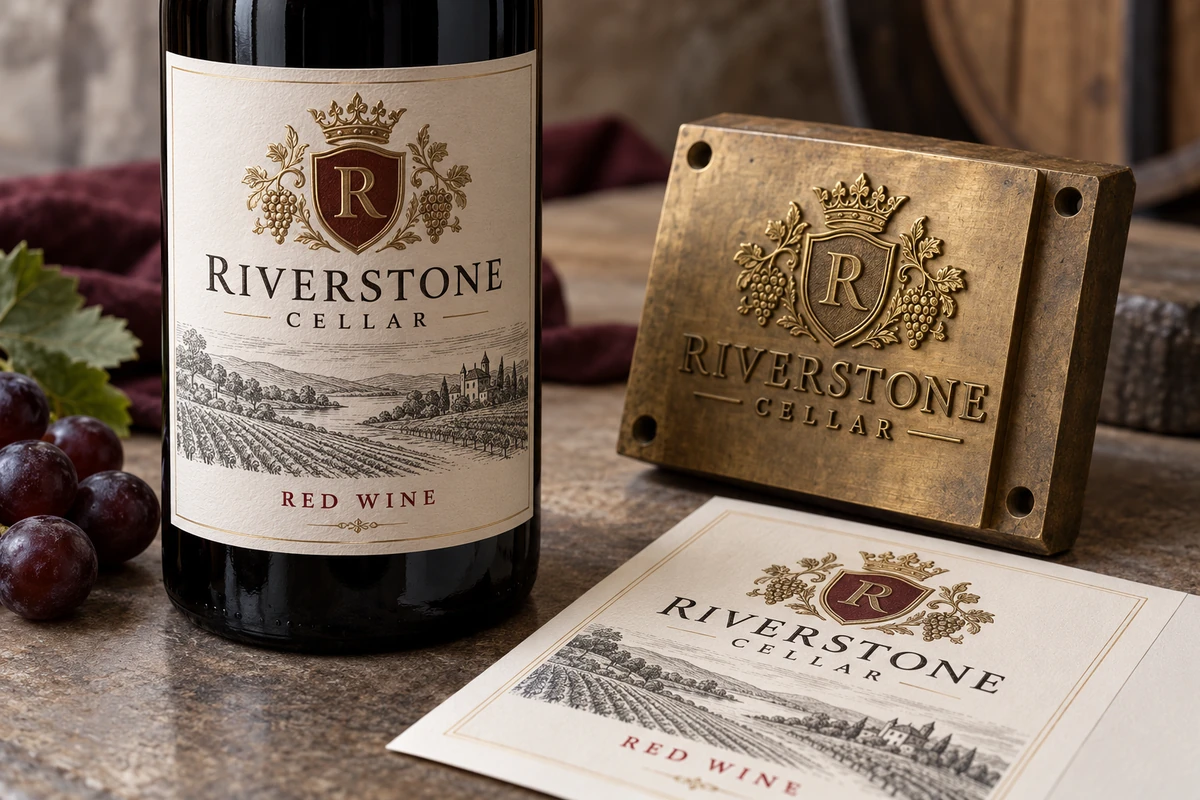
List the assets separately
Artwork, production-ready files, color references, cutting dies, printing plates and embossing tools are different assets. They may have different creators, ownership terms and compatibility limits. Avoid one vague line called setup that conceals all of them.
Ask which files the brand provides and which the printer creates. A printer may add trapping, separations, finishing masks or other production information. Identify what deliverables the commercial arrangement includes without assuming that every internal production file must be transferred.
For physical tooling, record the tool type, identification and job it serves. A custom shape or foil design can involve several tools. If one is replaced after wear or an artwork change, preserve the distinction between the historical reference and the currently usable item.
Separate ownership from the ability to use the asset
An agreement might give the buyer ownership while the supplier stores the tool. Another might provide a right to use a supplier-owned tool for a particular job. Retrieval, copying, maintenance and disposal may require their own terms. Have the responsible commercial parties review the actual wording rather than infer a legal conclusion from an industry habit.
Technical portability is another question. A tool made for one machine or process may not fit another printer's equipment. Even when transfer is permitted, the receiving printer needs to confirm suitability. Ownership does not remove dimensions, mounting or production constraints.
The custom die-cut guide addresses the cut path. This article addresses the asset and access conditions that remain after the shape has been selected.
Build a tooling and file register
| Asset field | What to agree and retain |
|---|---|
| Asset identity | Tool/file type, unique reference and artwork revision |
| Included deliverable | Physical item, editable file, PDF, mask or reference sample |
| Rights and access | Owner, permitted use and transfer conditions |
| Storage | Holder, location and identification method |
| Compatibility | Known machine/process requirements and limits |
| Maintenance | Inspection, wear, repair and replacement responsibility |
| Retrieval | Request route, notice, costs and release conditions |
| End of use | Retention period and authorized disposal process |
Keep the signed offer or agreement attached to the register. The table is a purchasing aid, not a substitute for contract advice or a determination of intellectual-property rights.
Ask what happens at the next revision
A new label size may require a new cutting tool. A changed foil mask may make an existing decorative tool unsuitable. Ask the printer which assets remain usable and which must be remade, then tie the answer to the revised artwork.
Do not assume a repeat order should have no setup charge because a tool already exists. Setup labor, equipment configuration and tooling manufacture are separate possible cost items. Ask what each actual charge covers. Equally, do not pay a new-tool charge repeatedly without an explanation of the new asset or replacement need.
The foil and embossing guide helps keep finish masks, tooling and artwork revisions together. A beautiful retained bottle cannot identify which production file or die produced the approved effect.
Test portability before an urgent transfer
If continuity depends on another printer being able to run the job, review the available assets before a supply interruption. Ask the receiving printer to identify the files and tools it can use, the information it still needs and any new preparation work.
A hypothetical wine brand might own its crest artwork and embossing tool while discovering that the tool format does not suit the backup press. The correct response is to plan the compatible replacement or alternative, not assume that physical possession guarantees immediate production.
Document any approved adaptation. A recreated tool should have its own identity and approval record. Do not let two different tools circulate under one reference merely because they reproduce the same general motif.
Preserve the production knowledge that matters
Keep approved drawings, file revisions, physical references and relevant order records in the brand's controlled project folder. The artwork handoff guide shows how to identify the dependencies of a production file. That preparation can reduce repeated clarification without claiming ownership of confidential supplier methods.
Ask who can retrieve the records if the usual buyer or designer leaves. A folder held only in one employee's inbox creates a different continuity problem from a tool held at the printer. Both deserve an identified access route.
Close a tool's life with a record
When a design is retired, confirm whether the tool should be retained, returned or disposed of under the agreement. Record the authorization and affected revisions. If a stored tool has been damaged or lost, obtain the relevant facts and commercial response before promising that the next order can use it.
Discuss tooling and artwork deliverables with the label drawing, intended finish, available files and the access or transfer requirement. Ask which assets a quotation includes and which compatibility questions remain. The form opens an email draft; review the request and attach the permitted artwork through email or the listed WhatsApp route.